
Raw Materials: Choose Your Size – Guide for DIY Mixers
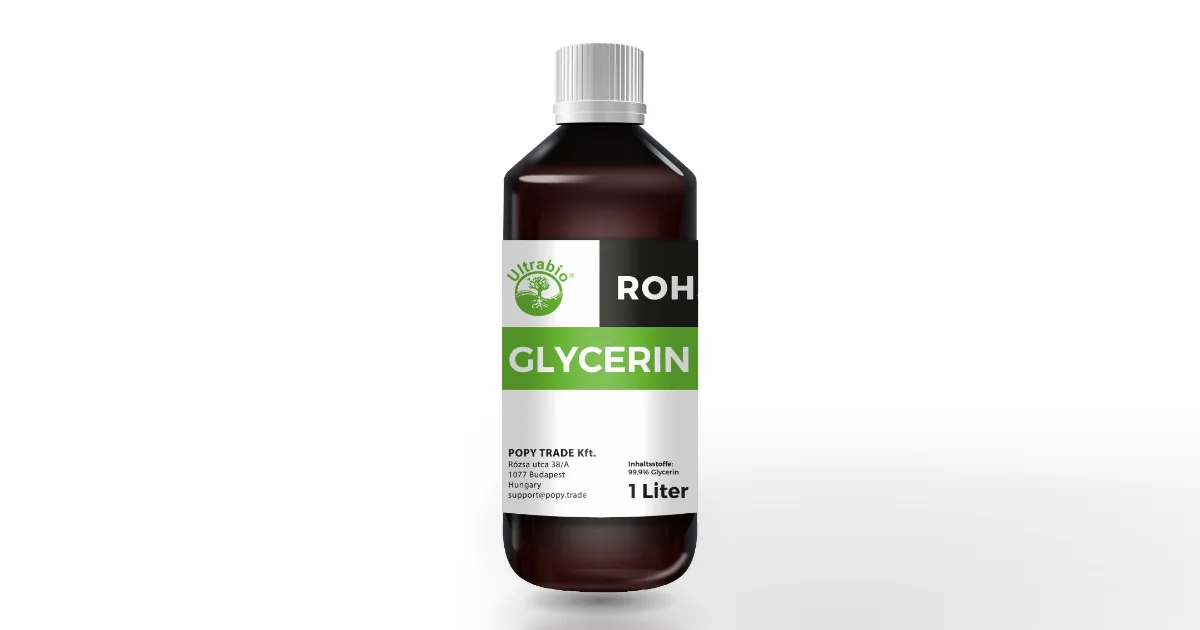
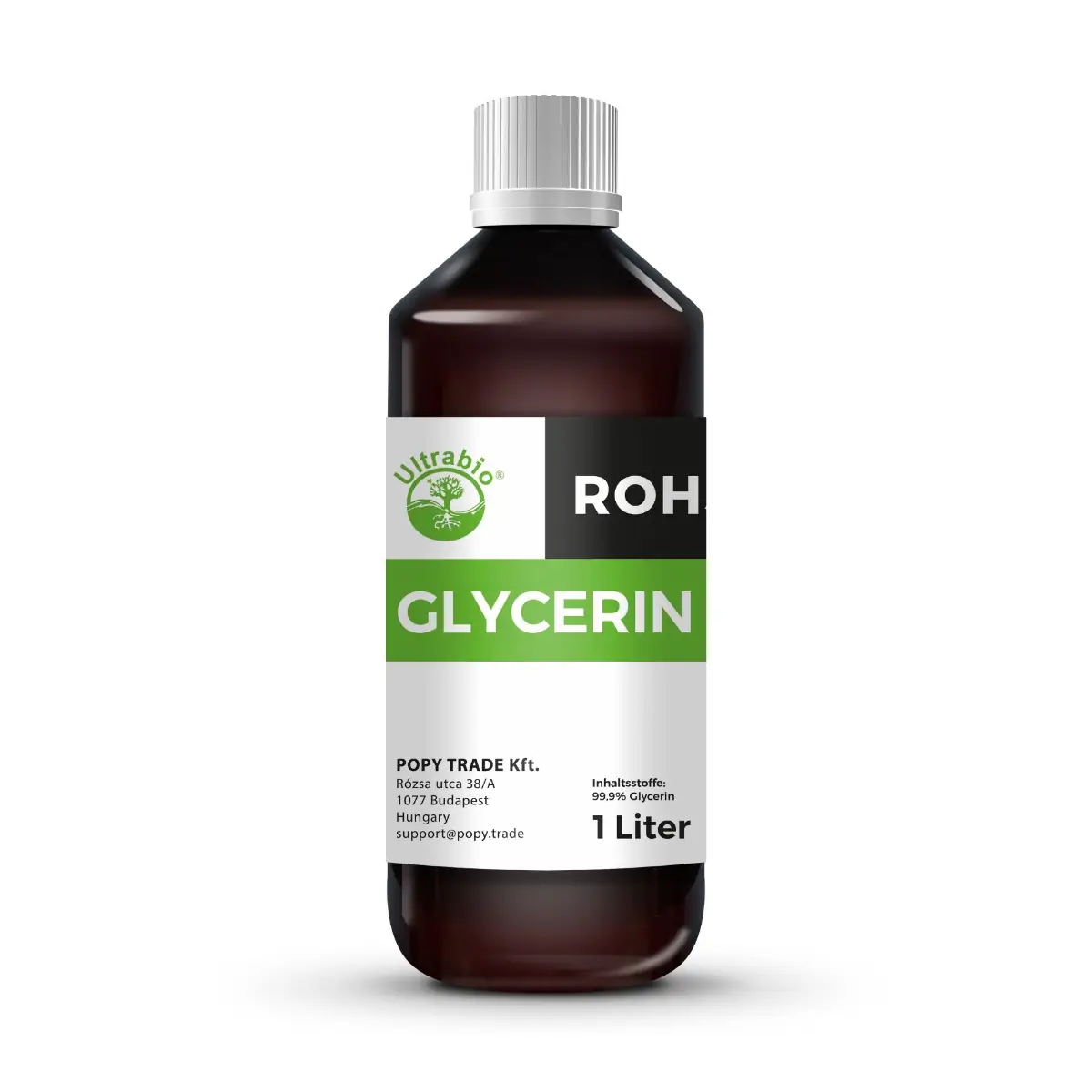
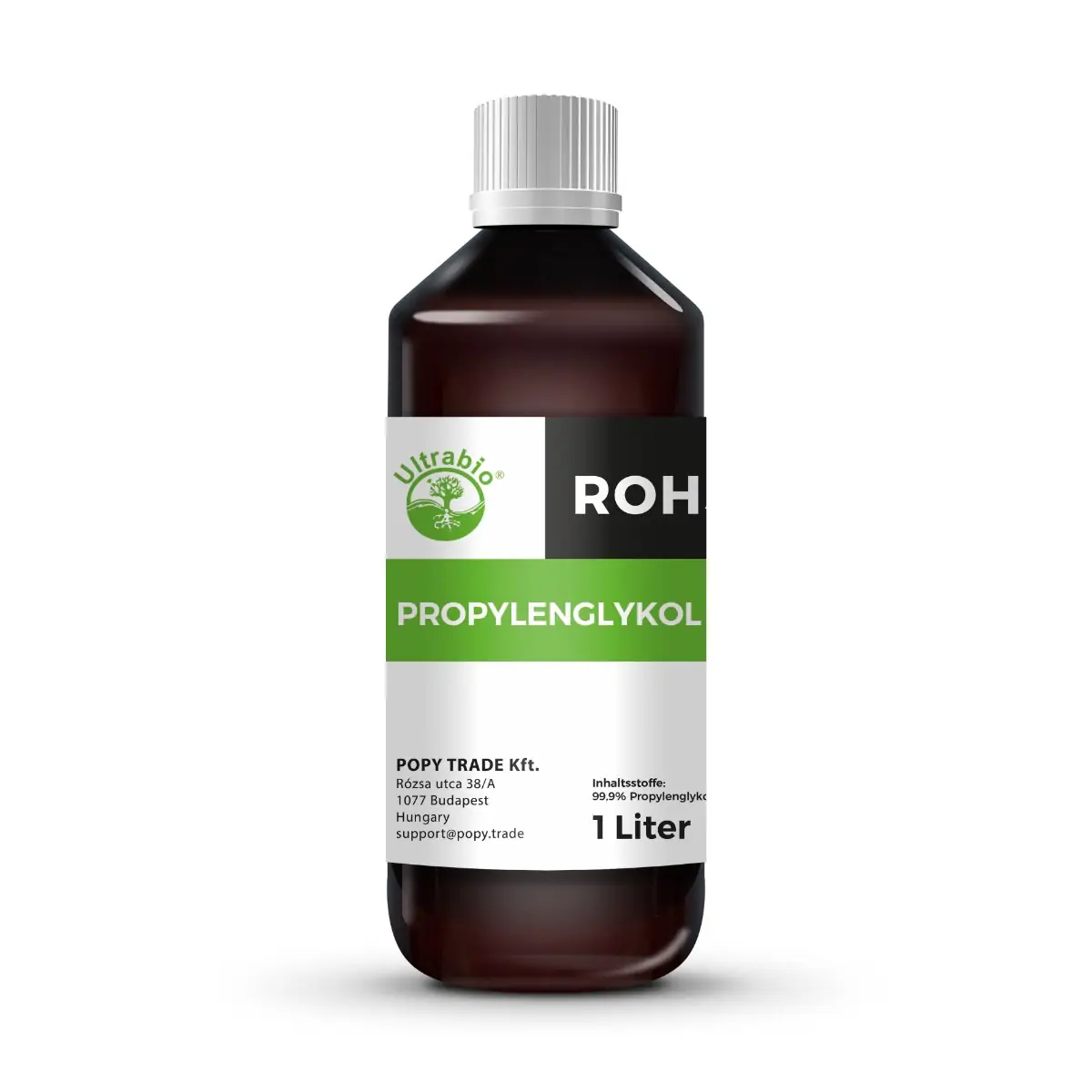
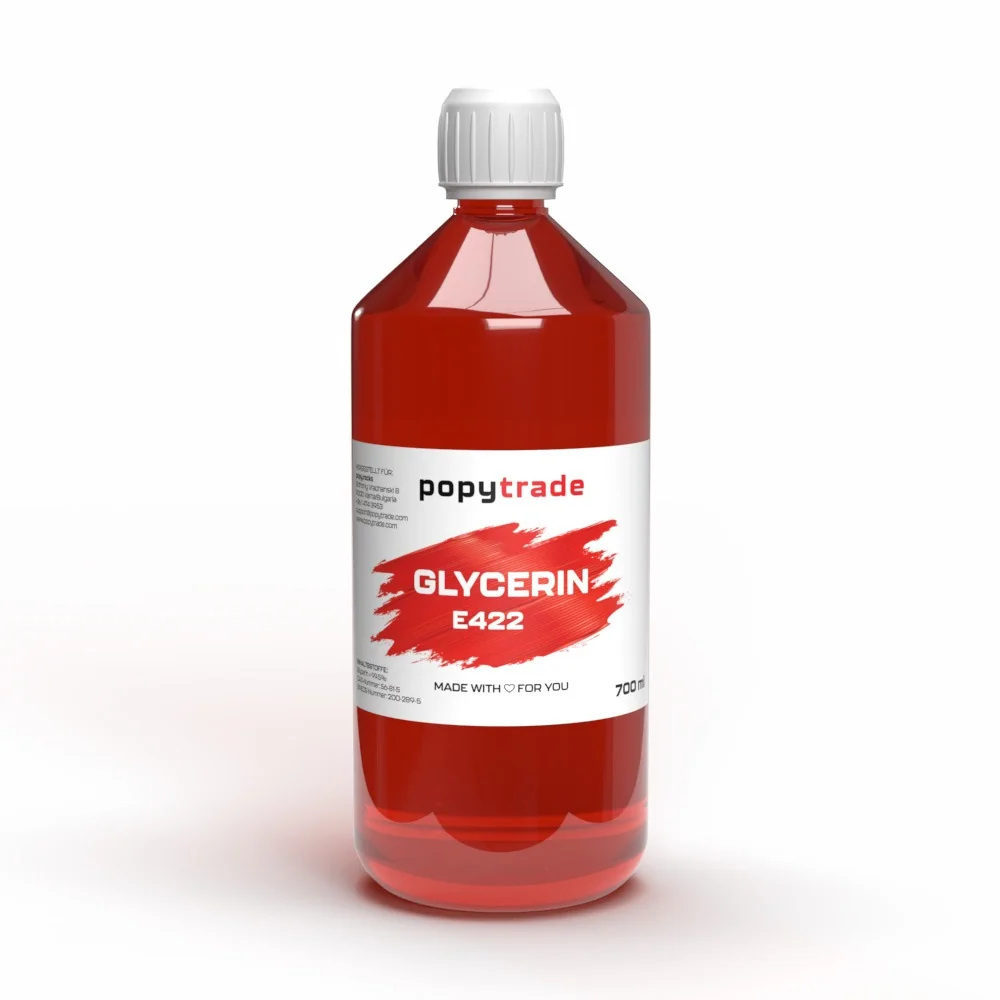
Raw materials: choose your size carefully when mixing your own culinary creations, glazes, desserts, or flavoured beverages in your home kitchen. Anyone crafting their own taste experiences relies on dependable ingredients. Vegetable glycerin and pure propylene glycol in certified food-grade quality form the neutral carrier foundation for every successful recipe. Whether a handy bottle for first experiments or a practical stock for passionate DIY makers – choosing the right bottle size saves space, protects aromas from over-storage, and secures a reliable stash for your home flavour workshop.
Key Takeaways
- Vegetable glycerin E422 and propylene glycol E1520 serve as neutral carriers and humectants in food products.
- Compact bottles such as 300 ml or 700 ml are ideal for occasional DIY mixes, while 1-litre containers are perfect for stocking up.
- A purity level of at least 99.5% in pharmaceutical food-grade quality guarantees unadulterated taste across all recipe ideas.
- Stored away from light, in a dry place, and at a steady room temperature, unopened food-grade raw materials remain stable for many months.
Food-Grade Raw Materials for DIY: Why Purity and Quality Matter
As certified food additives, vegetable glycerin E422 and propylene glycol E1520 form the neutral carrier foundation for your own recipe ideas and flavour blends. When buying food-grade raw materials, purity comes first. Impurities or inferior grades can distort the delicate taste of fine food flavours or negatively affect the texture of baked goods and confectionery.
First-class POPY TRADE Vegetable Glycerin VG E422 99.5% is distinguished by a guaranteed minimum purity of 99.5 percent. Glycerol glycerin of this grade is odourless, viscous, and has a subtle, natural sweetness. Complementing it, POPY TRADE Propylene Glycol PG E1520 99.5% acts as a low-viscosity, ultra-pure food additive that ensures concentrated flavouring agents distribute evenly throughout the finished product. Both components meet strict food-grade standards and can be used with complete confidence in modern cooking and baking.
Our Flavour Recommendations
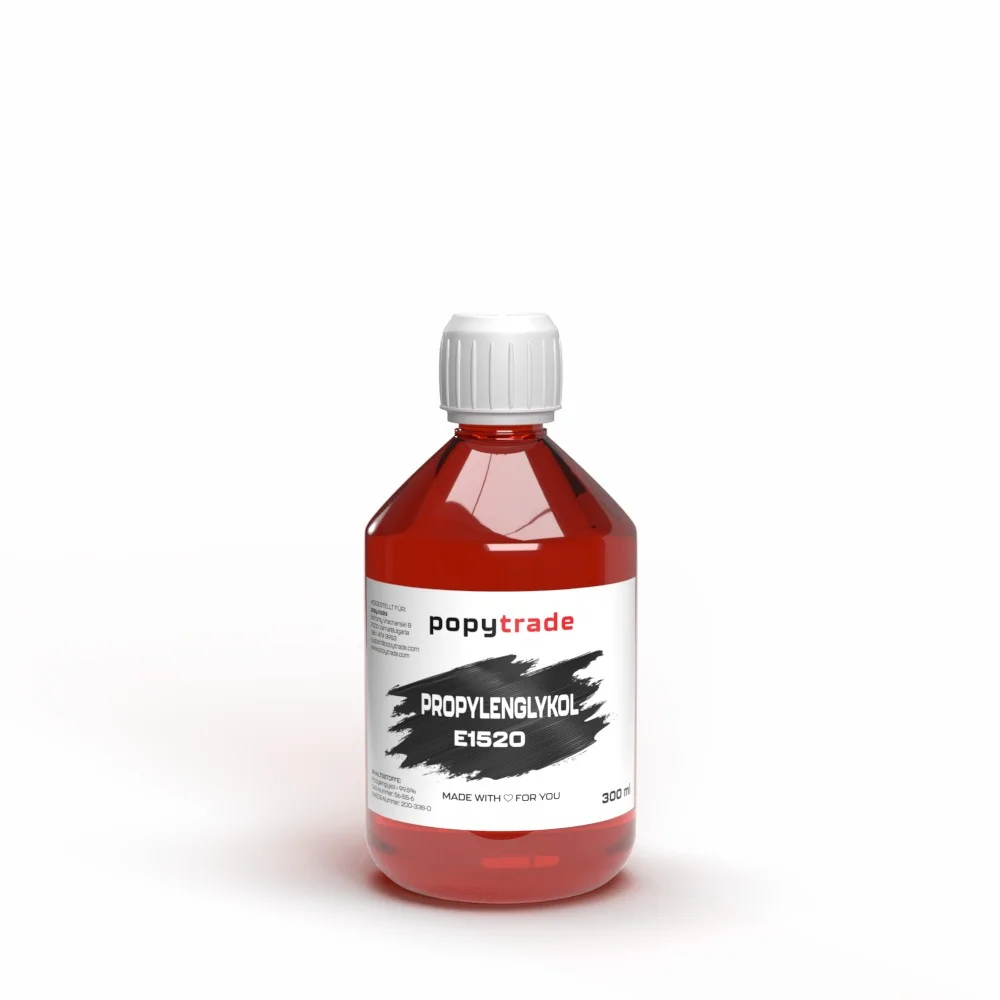
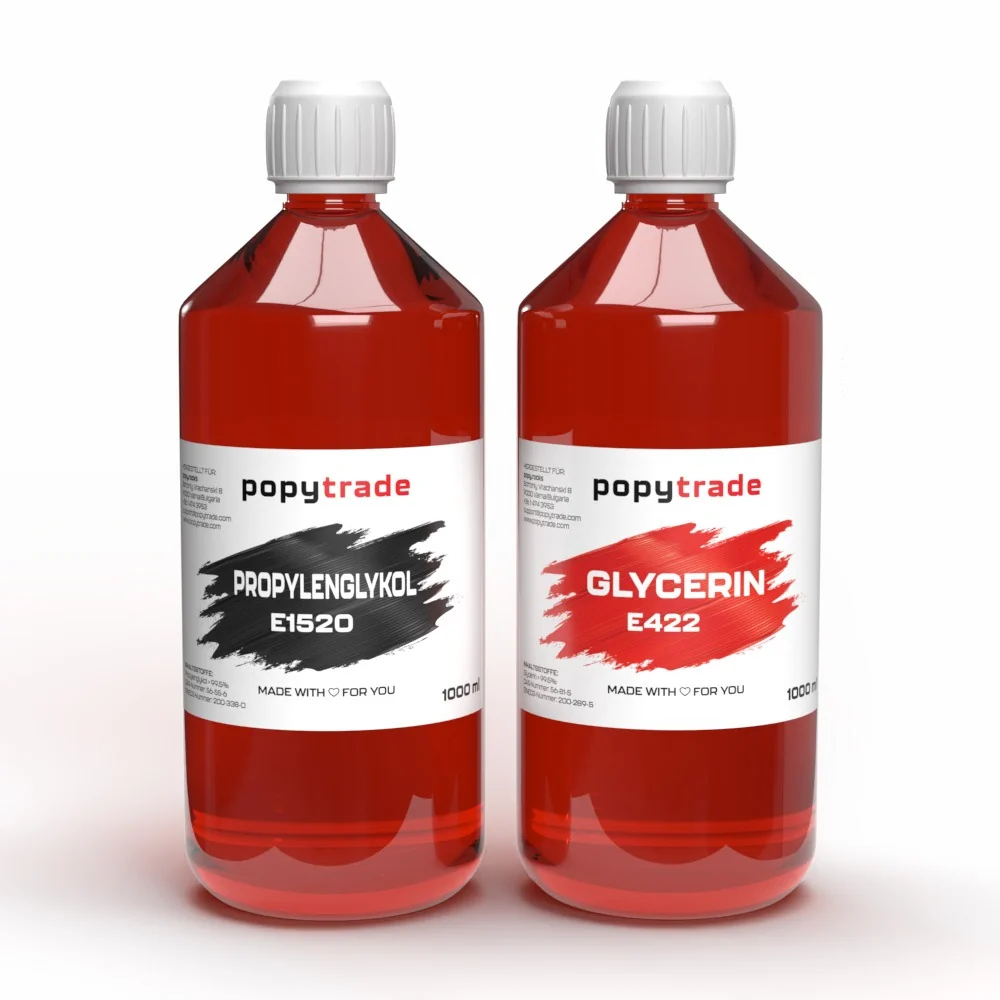
300 ml, 700 ml, or Stock Bottle: Which Bottle Size Suits Your Needs?
The right container size depends on your usual batch volumes and prevents opened raw materials from sitting unused in the pantry for months. Every DIY maker works on a different scale. Those looking to test new recipe ideas or only occasionally keep fondant pliable tend to prefer handy sizes.
For targeted dosing of smaller quantities, the compact POPY TRADE 300ml Propylene Glycol is ideal. The handy bottle sits securely in your hand and allows drip-free measuring. On the other hand, if you regularly whip up glazes or create your own syrup varieties, the POPY TRADE 700ml Glycerin offers generous volume without feeling bulky.
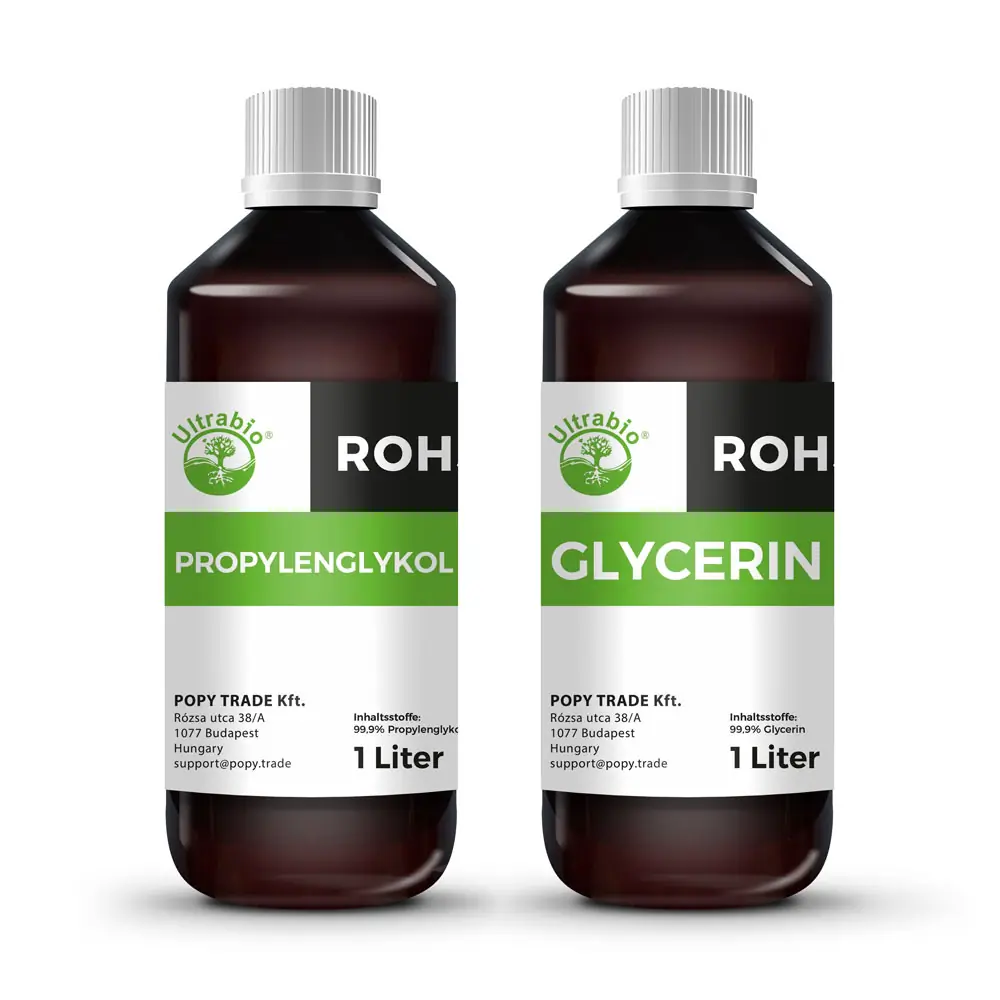
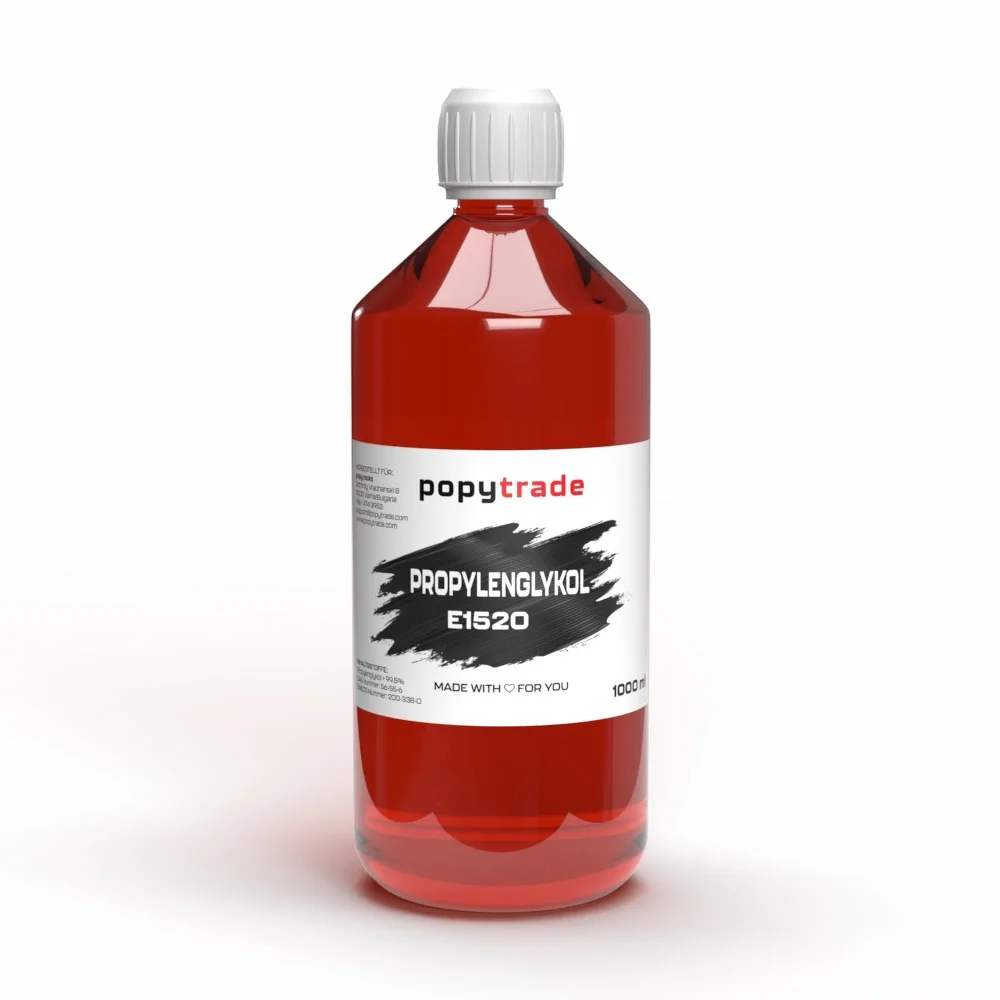
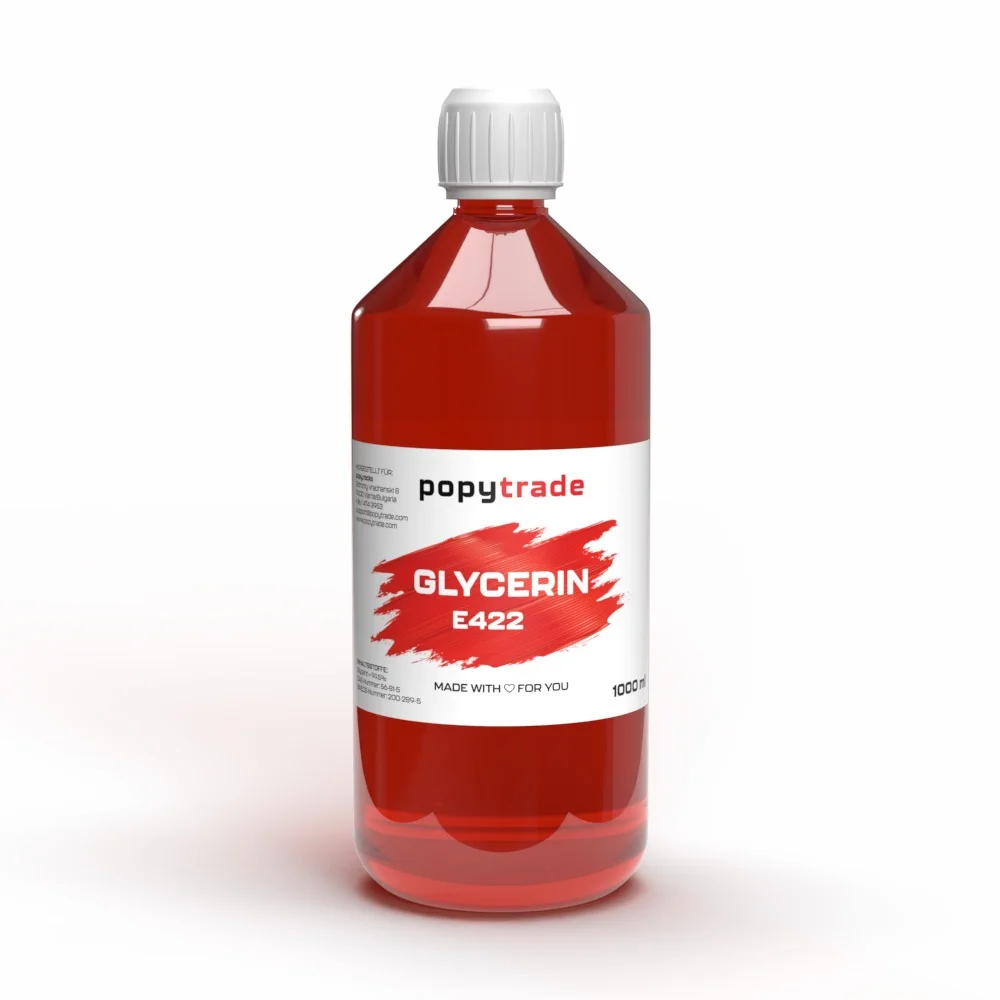
For experienced makers who process larger batches or want their culinary staples always within reach, a duo pack is well worth it: with the POPY TRADE 1 Litre Each Glycerin & Propylene Glycol pack or the Ultrabio Raw Materials 1 Litre Each Glycerin & Propylene Glycol bundle, you secure full value for your pantry while collecting valuable Runes in the shop for your loyalty.
Vegetable Glycerin (VG E422) and Propylene Glycol (PG E1520): Properties Compared
Vegetable glycerin adds viscosity and mild sweetness to food products, while propylene glycol acts as an excellent flavour carrier for concentrated food aromas thanks to its low viscosity. Both substances complement each other perfectly in food preparation, yet fulfil completely different roles.
Food-grade glycerin (E422) is hygroscopic, meaning it binds moisture. In baking and patisserie, it prevents doughs, marzipan, or praline fillings from drying out prematurely. Due to its viscous consistency, vegetable glycerin gives creams and desserts a pleasant richness. Propylene glycol E1520, by contrast, stands out for its exceptional solubility. The E1520 additive binds essential oils, fruit extracts, and flavouring substances, keeping the aroma stably dispersed throughout the mixture. When you blend glycerin and propylene glycol, you combine the smooth texture of VG with the precise flavour delivery of PG.
Step by Step: Preparing and Mixing Raw Materials Cleanly
Thorough workspace hygiene and accurately measured components ensure a stable, homogeneous blend of glycerin and propylene glycol. When preparing your own carrier bases for food flavours, follow a structured approach:
- Prepare your workspace: Clean your work surface thoroughly and lay out clean graduated cylinders, pipettes, and food-safe mixing containers.
- Determine your ratio: Decide in advance on the desired mixing ratio between vegetable glycerin and propylene glycol, tailored to your planned application in beverages, baked goods, or desserts.
- Pour propylene glycol first: Add the required amount of PG to your mixing vessel first, as its lower viscosity makes it easier to stir in food flavours later.
- Add glycerin: Pour in the more viscous glycerin E422. A small funnel helps keep the bottle rim clean.
- Homogenise thoroughly: Seal the container tightly and shake or stir the mixture for at least one minute until streaks disappear and a uniform fluid forms.
- Let it rest: Allow the base mixture to stand briefly so any trapped air bubbles can escape before you add your flavours.
Storage and Shelf Life of Your Food-Grade Raw Materials
For maximum freshness, always store glycerin and propylene glycol away from light, tightly sealed, and at a steady room temperature. Because both substances are hygroscopic, imperfectly closed bottles will draw moisture and ambient odours from the air.
Choose a cool pantry cupboard away from direct sunlight and radiators, ideally between 15 and 22 degrees Celsius. Avoid pouring unused leftover amounts from measuring cups back into the original bottle to prevent contamination. Choosing the right bottle size minimises headspace in opened containers and ensures your food additives retain their full quality down to the very last drop.
Frequently Asked Questions
What do E422 and E1520 mean for food-grade raw materials?
E422 stands for vegetable glycerin and E1520 for propylene glycol; both are officially approved food additives used as humectants, carriers, and texturising agents.
Can glycerin and propylene glycol be mixed together?
Yes, glycerin and propylene glycol are completely miscible and combine to form a balanced carrier base that unites both viscosity and outstanding flavour-carrying properties.
Which bottle size is best suited for beginners?
For beginners and occasional recipe ideas, handy sizes such as 300 ml or 700 ml are ideal, as they are easy to dose and can be used up promptly.
Why is 99.5% purity so important in raw materials?
A purity level of at least 99.5% guarantees pharmaceutical food-grade quality, prevents unwanted off-notes, and ensures consistent results when preparing your food and beverages.
Last updated: November 2026 · Author: Popy