
Raw Materials for Your Mix: Glycerin & PG Guide
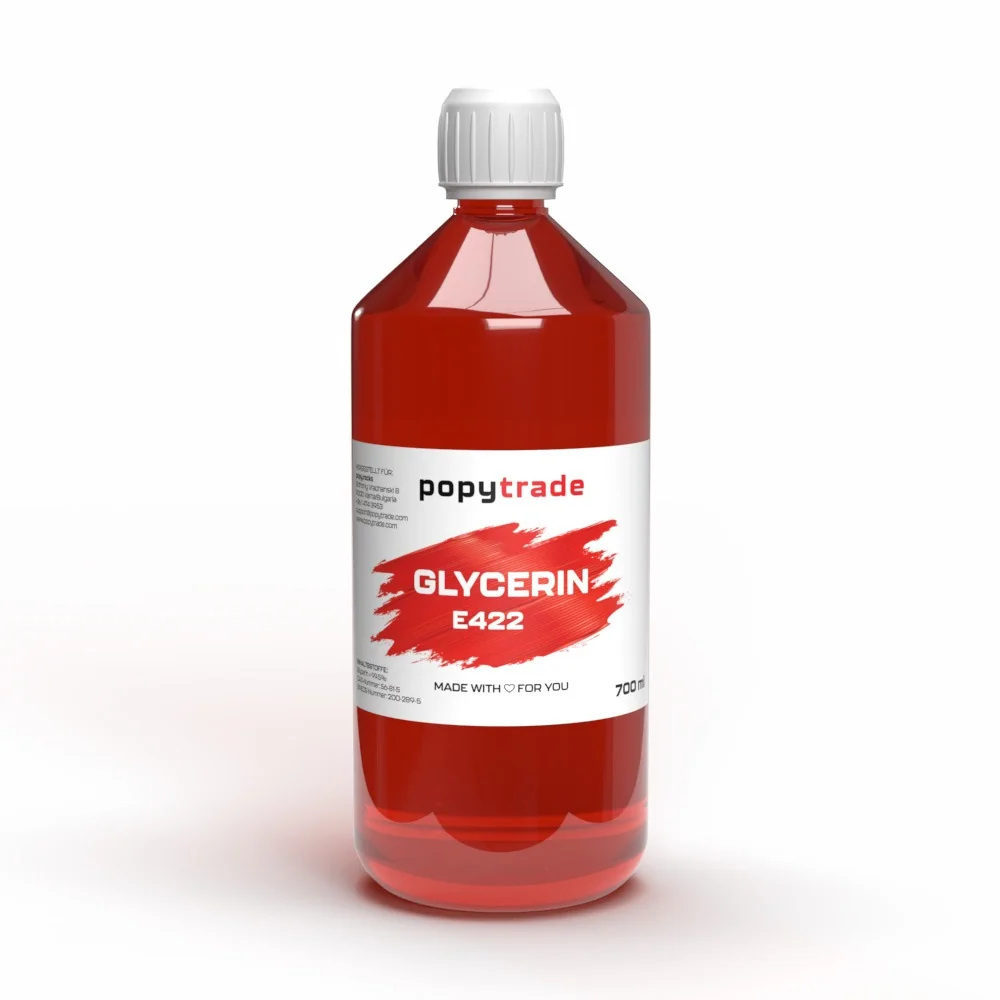
When you are looking for first-class raw materials for your mix, you need dependable ingredients without compromise. Whether you want to refine your own refreshing drinks, flavour baked goods, or experiment with bespoke recipes in your kitchen, the success of every creation stands or falls on the quality of its carrier substances. High-purity vegetable glycerin and clear propylene glycol form the solid foundation on which every drop of flavouring reaches its full potential. In this guide, you will learn what matters when it comes to purity, properties, and the right combination so that your collection of flavour ideas hits the mark every time.
Key Takeaways at a Glance
- Vegetable Glycerin E422 and Propylene Glycol E1520 form the pure base for your own food creations and DIY flavour blends.
- Propylene glycol serves as a taste-neutral flavour carrier that evenly dissolves and transports delicate flavour concentrates.
- Vegetable glycerin controls viscosity, adds body, and reliably retains moisture in food products.
- For the best results, rely exclusively on certified food-grade quality with a purity level of at least 99.5 percent.
What Are the Core Raw Materials for Your Mix?
The two most important raw materials for your mix of food flavourings are vegetable glycerin (E422) and propylene glycol (E1520). These two components form the neutral framework that absorbs concentrated essences and distributes them harmoniously. Pure food-grade raw materials of this calibre are characterised by being odourless, having no distracting off-taste, and being certified safe for consumption in accordance with applicable European standards.
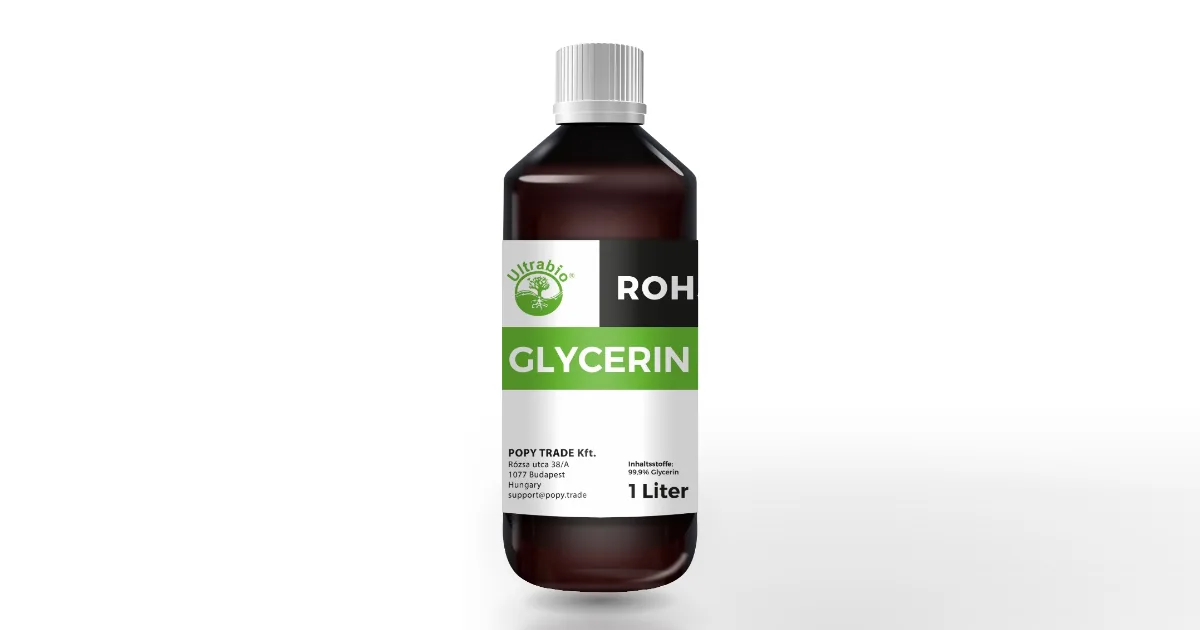
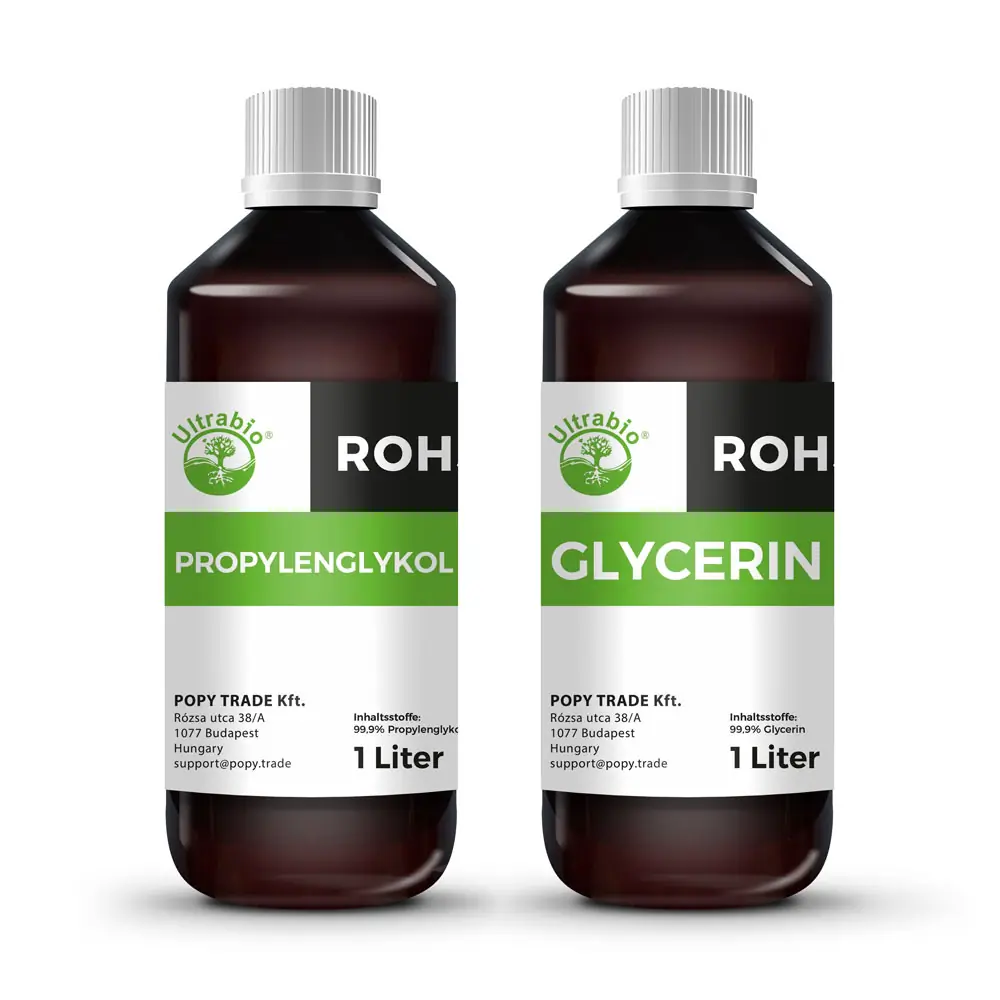
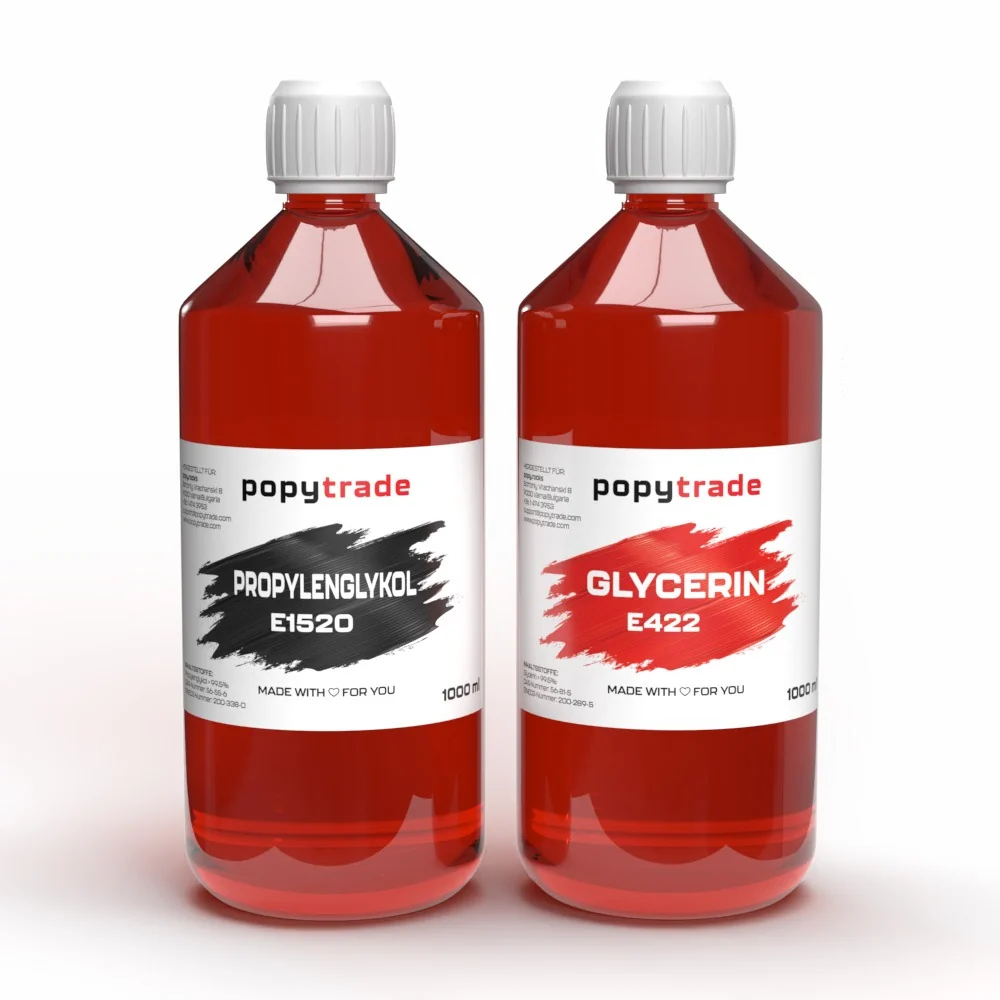
If you want to prepare high-quality carrier bases, it is best to choose tested products right from the start. With coordinated sets such as POPY TRADE 1 Litre Each Glycerin & Propylene Glycol, you get both fundamental building blocks in one convenient bundle. A food additive of this kind ensures that oil-soluble and water-soluble flavour components combine stably. Instead of turning to inferior industrial chemicals, certified food-grade quality guarantees the purity required for every application in dishes, desserts, and beverages.
Our Flavour Recommendations
Vegetable Glycerin E422: Properties and Function
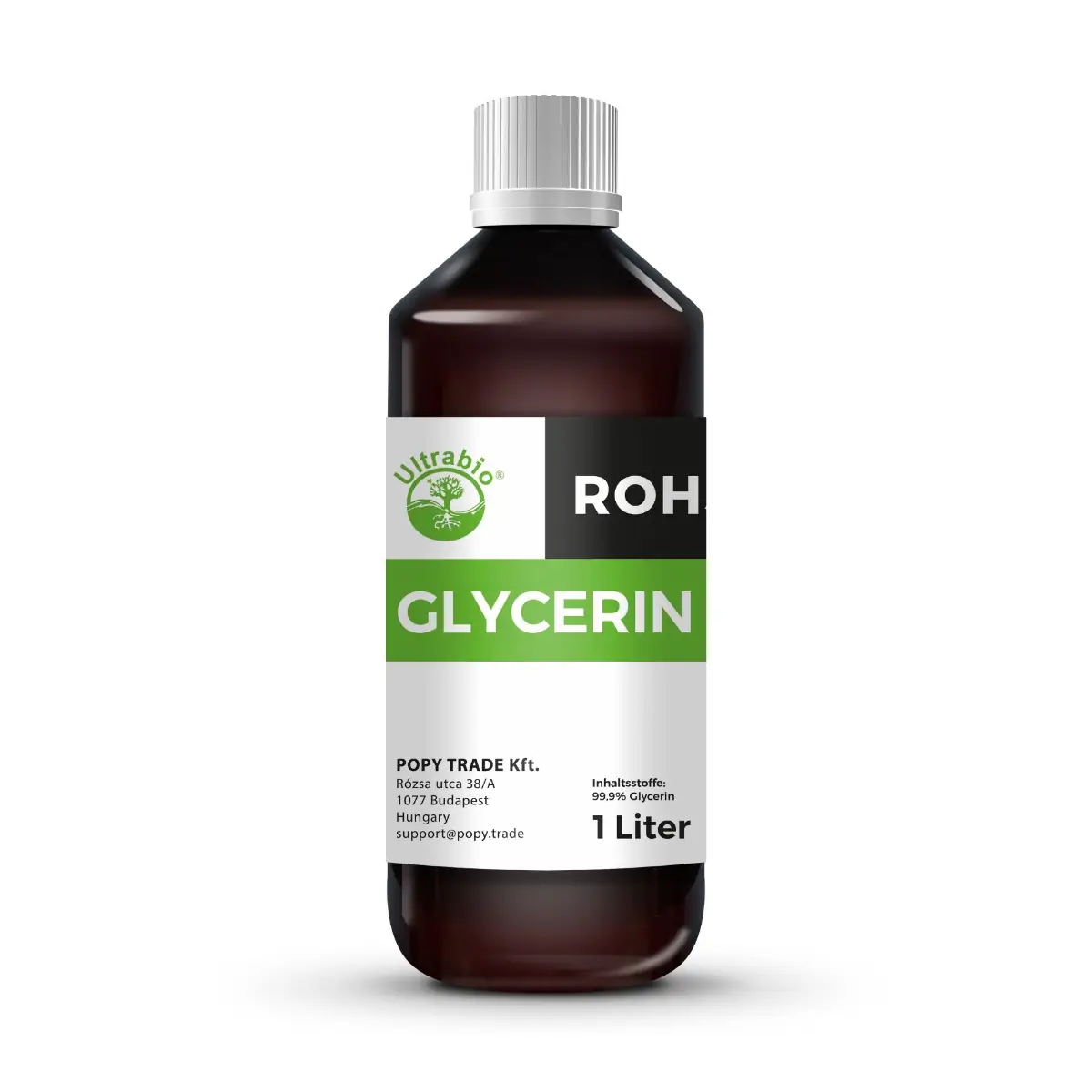
Vegetable glycerin E422 gives your mix a dense consistency and reliably binds moisture as a proven food additive. This plant-based glycerin is typically derived from vegetable oils such as rapeseed, soy, or coconut. Often referred to in specialist literature as glycerol or glycerin VG, the substance offers a viscous texture and a subtle, natural sweetness.
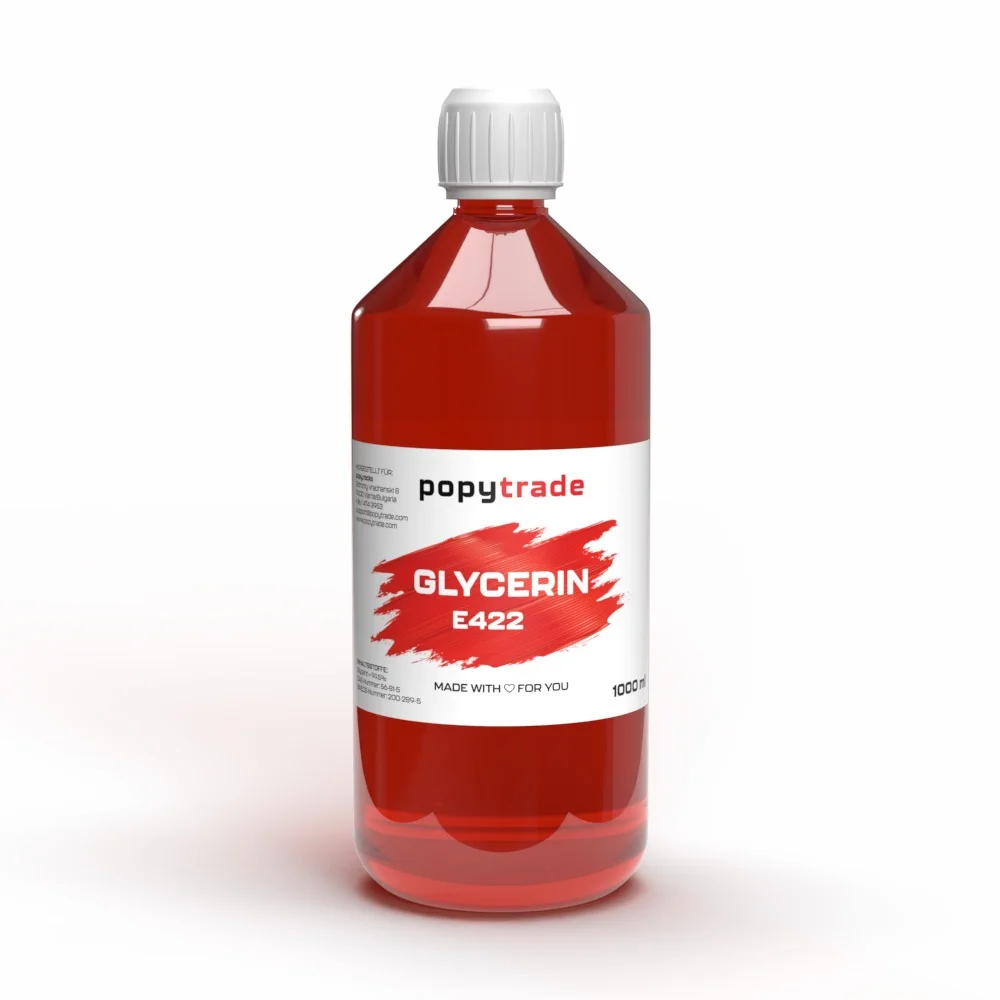
For discerning DIY mixers, purity is crucial. Anyone working with food-grade glycerin looks for a purity level of at least 99.5 percent (often referred to as glycerin 99), as offered by POPY TRADE Vegetable Glycerin VG E422 99.5%. The tried-and-tested Ultrabio Raw Materials Vegetable Glycerin E422 VG also meets these strict pharmacopoeia criteria. As food-grade glycerin E422, it protects baked goods from drying out, gives icings a smooth finish, and creates a rounded body in beverage syrups. A reputable glycerin manufacturer ensures through comprehensive laboratory analyses that neither residues nor foreign substances are present. If you experiment regularly, a practical stock bottle such as 1L glycerin is well worth having on hand so you always have plenty of supply ready.
Propylene Glycol E1520: Properties as a Flavour Carrier
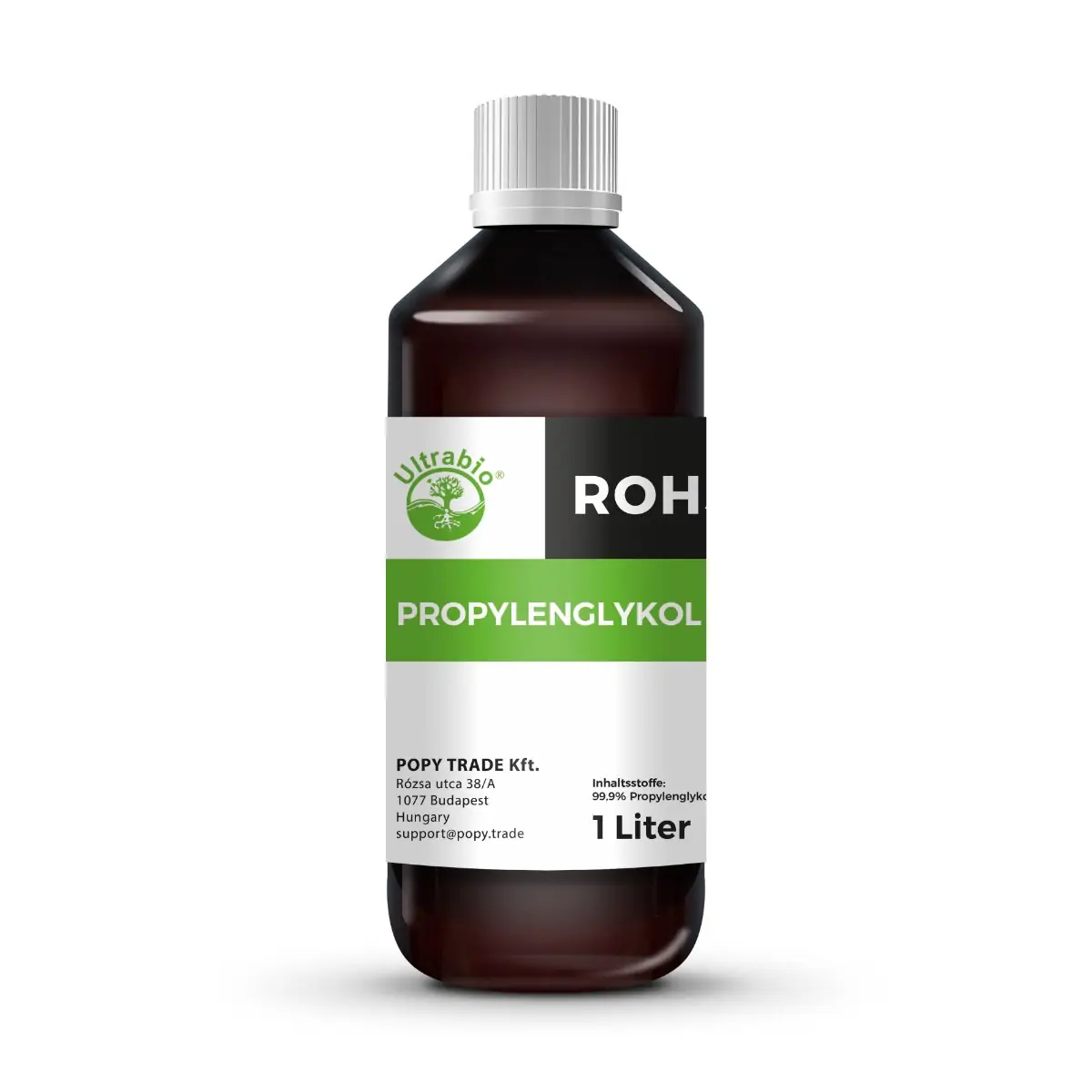
Propylene glycol E1520 acts as a highly efficient, low-viscosity flavour carrier that dissolves delicate food flavourings evenly into the base. While glycerin provides fullness, propylene glycol PG stands out for its exceptional solubility. It delivers even volatile taste notes directly to your taste buds without masking the sensory profile of your ingredients.
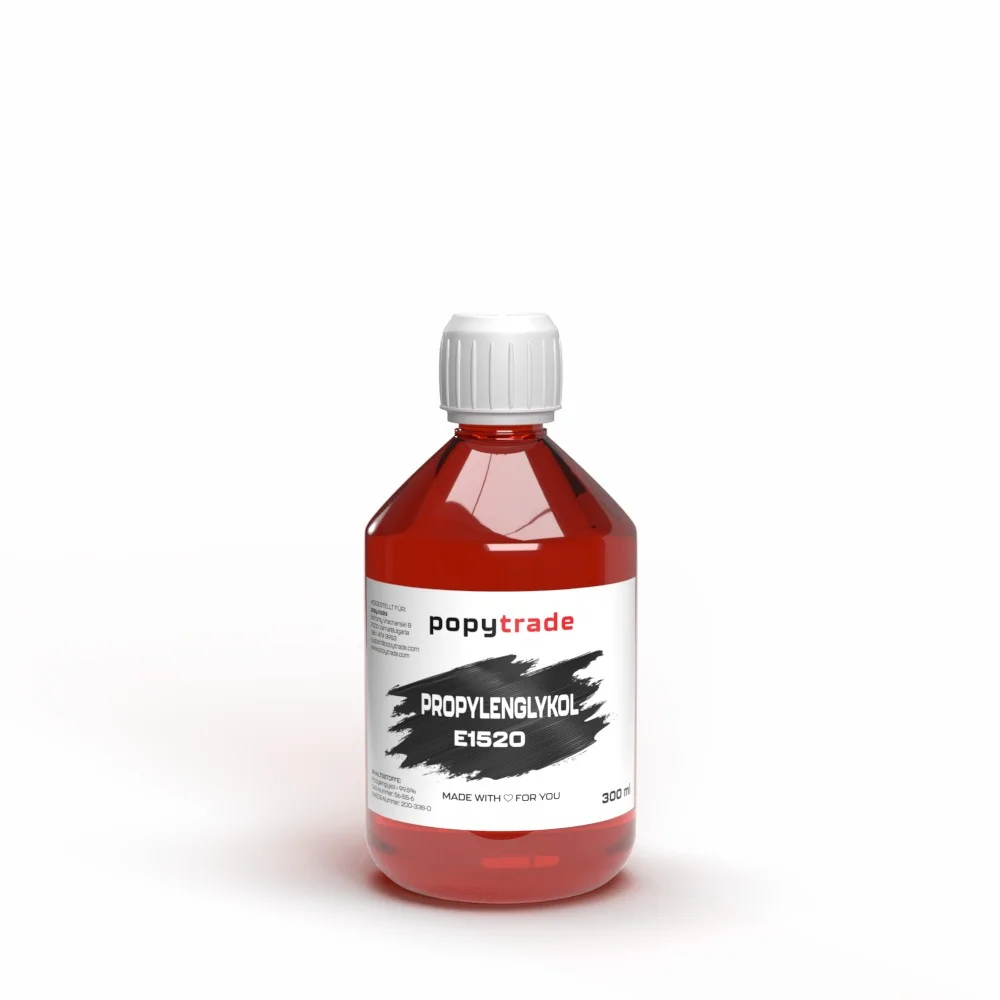
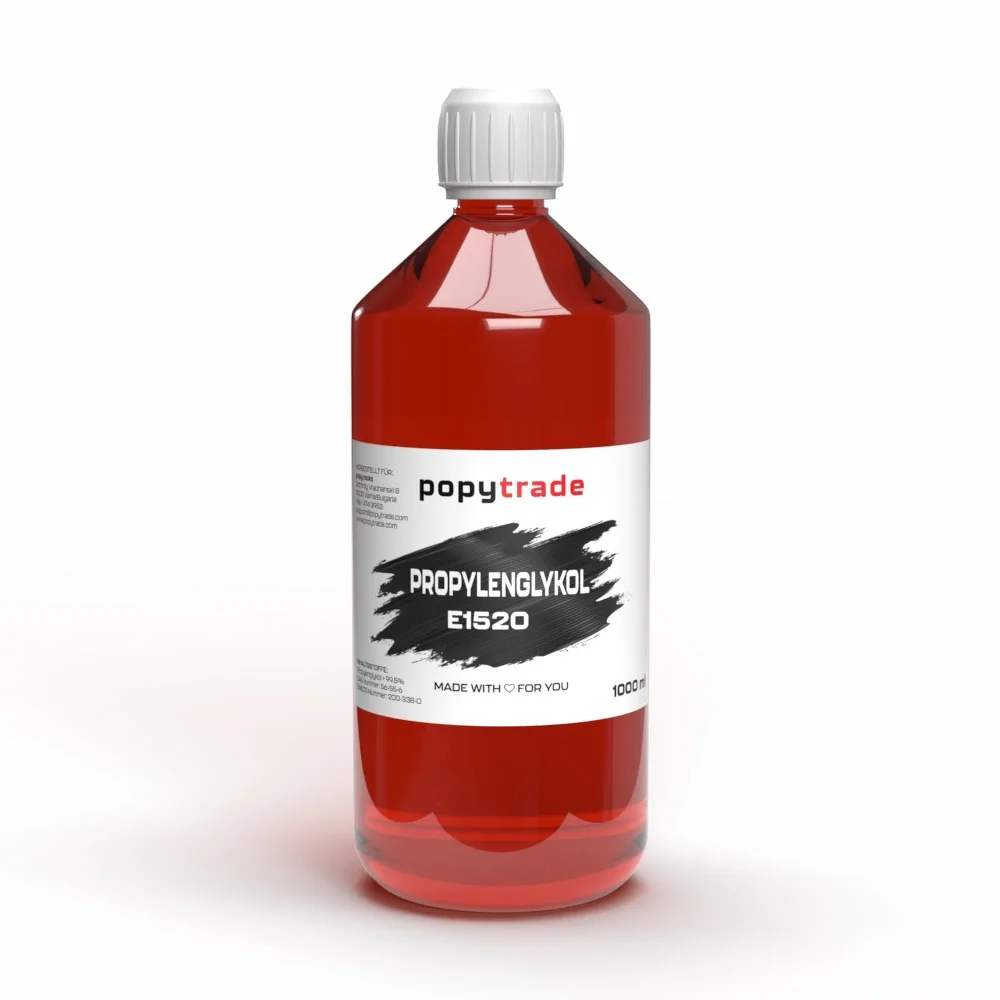
Typical propylene glycol properties include low viscosity, complete absence of colour and odour, and excellent dissolving power for complex flavouring compounds. As an E1520 food additive, the substance has been established in food processing for decades—from baking extracts and praline fillings to soft drink bases. With raw materials like POPY TRADE Propylene Glycol PG E1520 99.5% or Ultrabio Raw Materials Propylene Glycol E1520 PG, you bring tested food-grade propylene glycol into your mixing kitchen. Anyone looking to buy propylene glycol should always ensure it is declared as a pure E1520 additive and approved for food use.
Mixing Glycerin and Propylene Glycol: The Right Carrier Base
When you mix glycerin and propylene glycol, you tailor the viscosity and carrying capacity for your flavouring precisely to your recipe. Both components complement each other in a well-balanced blend: propylene glycol dissolves the flavour molecules optimally, while vegetable glycerin provides mouthfeel, density, and a delicate sweetness.
Together, glycerin and propylene glycol make the ideal team for modern DIY mixes. Those looking to buy glycerin and propylene glycol frequently opt for bundles such as Ultrabio Raw Materials 1 Litre Each Glycerin & Propylene Glycol. When blending your carrier base, you determine the ratio based on your intended application:
- Focus on viscosity: A higher proportion of propylene glycol E1520 ensures a fluid consistency that disperses rapidly in cold drinks and carries crisp fruit notes.
- Focus on texture: A higher proportion of vegetable glycerin E422 is recommended for creamy desserts, toppings, or thick syrups where richness and consistency take centre stage.
- Balanced blends: Combined bases unite the strengths of both carrier substances and serve as a versatile all-round base for a wide variety of everyday kitchen recipes.
Step-by-Step Guide: How to Prepare Your DIY Mix
A successful DIY mix is achieved through clean equipment, accurate measurement of the raw materials, and thorough blending of the components. Follow these steps to prepare your mixture cleanly and methodically:
- Prepare your workspace and utensils: Clean your work surface and make sure all measuring cups, pipettes, and mixing bottles are spotless and food-safe.
- Measure the carrier base: Measure vegetable glycerin E422 and propylene glycol E1520 in the desired ratio for your project. Pour both components carefully into a clean mixing vessel.
- Stir the base until homogeneous: Stir or shake the carrier mixture thoroughly. Due to the higher density of glycerin, the blend requires a bit of agitation to combine completely with the thinner propylene glycol.
- Dose the food flavouring: Add your chosen food flavouring. Follow the manufacturer's specific dosage recommendation on the label precisely to achieve the desired taste.
- Mix thoroughly and let rest: Seal the vessel tightly and shake your mix vigorously ("Shake & Enjoy"). Depending on the recipe, allow the mixture some resting time at room temperature so the flavour molecules can unfold evenly throughout the carrier base.
Frequently Asked Questions
How do you recognise genuine food-grade raw materials?
You can recognise tested food-grade raw materials by their official E numbers—such as E422 for vegetable glycerin and E1520 for propylene glycol—as well as a declared purity level of at least 99.5 percent. When purchasing, make sure the containers comply with the standards of the European Pharmacopoeia (Ph. Eur.) or the European Food Additives Regulation.
Why are vegetable glycerin and propylene glycol combined?
Propylene glycol dissolves flavouring compounds exceptionally well and ensures direct flavour transfer, while vegetable glycerin gives the mix viscosity, body, and a pleasantly smooth texture. Combining both raw materials balances their individual properties perfectly and allows flexible adaptation to different recipes.
How should glycerin and propylene glycol be stored?
Always store both raw materials tightly sealed in a cool, dry place protected from direct sunlight. Because both substances are hygroscopic—meaning they actively absorb moisture from the surrounding air—stock bottles should be sealed airtight immediately after each use.
Can glycerin E422 and propylene glycol E1520 be used pure?
Both substances are approved as food additives and are toxicologically safe, yet they achieve their true purpose as functional carrier substances in recipes. In pure form, they are incomplete in taste and serve primarily to absorb flavour concentrates or control consistency in food.
Last updated: November 2026 · Author: Popy